The 2027 Kia Telluride Concept brings a fresh design perspective to Kia’s well-known three-row SUV. With a focus on exterior proportions, front-end styling, body surfaces, and a modern driving environment, this independent automotive project explores how the Telluride could be interpreted through a different design approach.
While the 2027 Kia Telluride is a real production model, the vehicle featured in this gallery is a privately developed AI-assisted design concept. Its appearance and illustrated mechanical details are not official Kia specifications.
Across 11 images, this gallery explores the SUV’s exterior, front grille, hood, side profiles, rear design, interior dashboard, cockpit, and engine compartment.
2027 Kia Telluride Exterior Design Overview
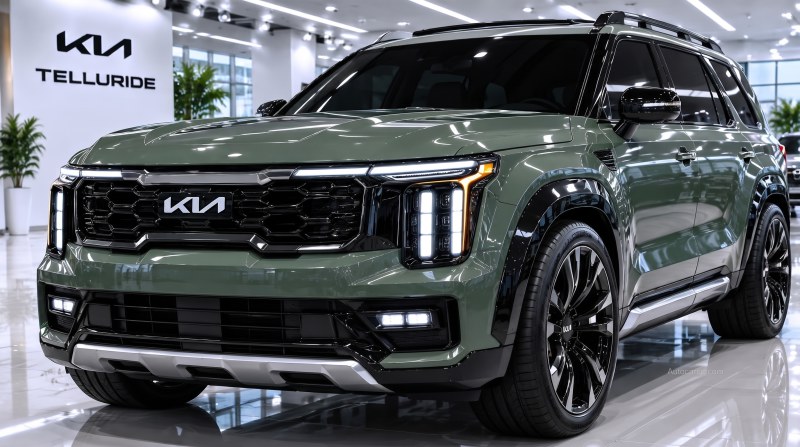
The opening image introduces the overall exterior styling of the 2027 Kia Telluride Concept. As the starting point of the gallery, this view establishes the vehicle’s design direction before moving into individual body sections. It provides an opportunity to consider how the front, cabin, and surrounding exterior surfaces contribute to the SUV’s overall visual identity.
For a large three-row SUV, exterior proportions are essential. The relationship between the front body, passenger compartment, wheel positions, and rear section helps determine whether a vehicle appears balanced, substantial, or streamlined. A strong design should bring these elements together without making any single feature feel disconnected from the rest of the vehicle.
The Telluride nameplate is associated with spaciousness, road presence, and family-oriented versatility. This concept explores that identity from a styling perspective, emphasizing the importance of a cohesive exterior rather than treating individual design elements as separate features.
Front Exterior Design and SUV Proportions
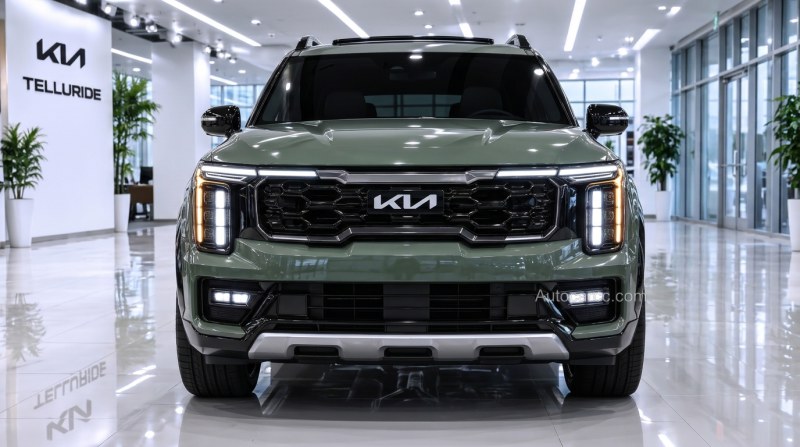
The front view shifts attention toward one of the most important parts of the vehicle’s appearance. The hood, grille, lighting areas, and bumper form the main structure of the front fascia. Their proportions influence how wide, tall, and visually substantial the SUV appears when viewed from the front.
Front-end styling is particularly important for vehicles in the Telluride’s segment. A large SUV needs a recognizable visual identity, but its design must also feel coordinated. The grille should relate naturally to the surrounding bodywork, while the hood and bumper should contribute to a consistent overall composition.
This front design study provides a closer examination of those relationships. It highlights how the arrangement of major exterior components can shape the character of a vehicle without relying solely on decorative details.
Front Grille Design and Exterior Details
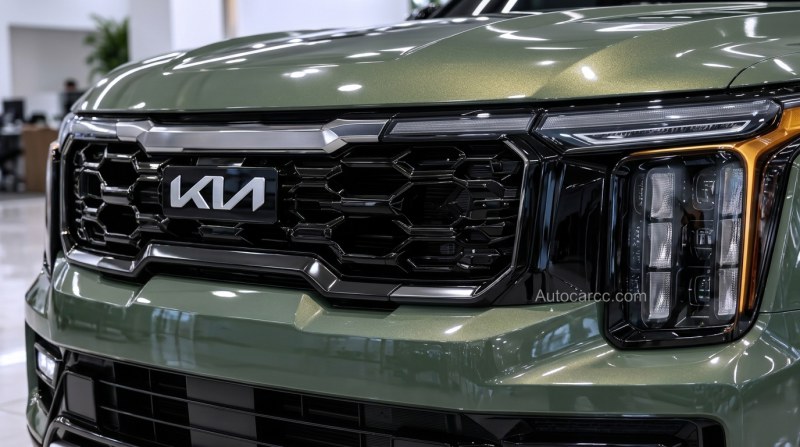
The grille close-up brings the focus to a smaller but highly influential area of the front fascia. The grille helps establish the vehicle’s identity by connecting the upper hood region with the lower bumper. Its position and relationship to surrounding panels can make the front appear more unified and visually confident.
In premium SUV design, the grille is more than a decorative surface. It acts as a central styling element that influences the perceived proportions of the entire front end. The surrounding trim, panel transitions, and lighting areas must work together to create a balanced appearance.
This image provides a dedicated view of the grille area, allowing the front-end composition to be considered separately from the vehicle’s broader exterior proportions.
Close-Up of the Grille and Front Fascia
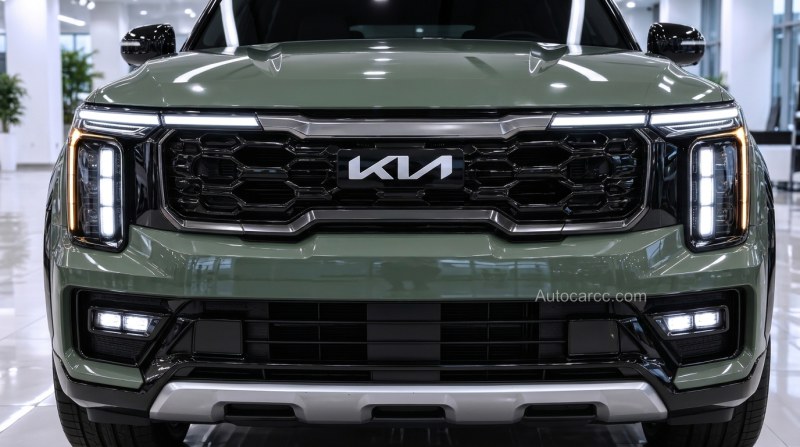
This additional close-up continues the examination of the front-end design. By concentrating on the grille and nearby surfaces, the image provides another perspective on the relationship between the central front section and the surrounding exterior components.
Small styling decisions can significantly affect the appearance of a large SUV. The spacing between visual elements, the treatment of surrounding panels, and the transition between upper and lower sections all contribute to the impression of quality.
A refined front fascia should feel deliberate rather than unnecessarily complicated. The goal is to create visual interest while preserving the clarity of the overall design. This close-up supports that discussion by keeping attention on the front styling rather than the complete vehicle silhouette.
Hood Design and Upper Body Styling
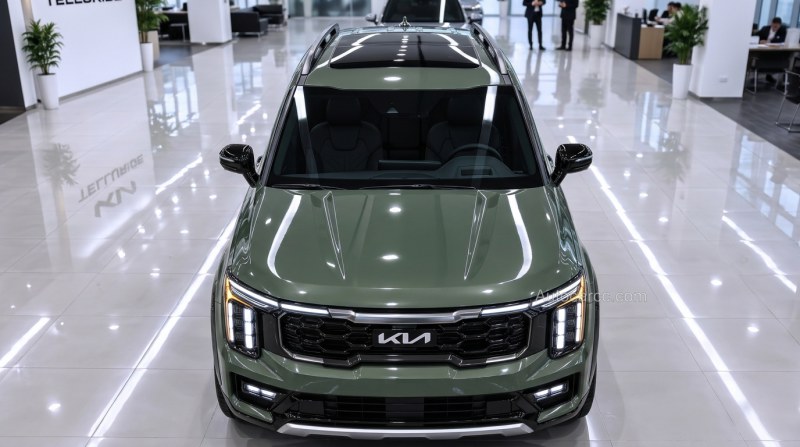
The upper-body image examines an area that has a major influence on the vehicle’s front proportions. The hood establishes the visual transition between the front fascia and the passenger cabin, while adjacent surfaces help determine the overall shape of the upper exterior.
Hood design can make a vehicle appear more substantial or more streamlined depending on its proportions and relationship to the windshield. The placement of major body lines also affects how the front section connects with the rest of the SUV.
For a vehicle intended to communicate comfort and road presence, these transitions matter. A well-balanced upper body can reinforce the impression of solidity while maintaining a clean and contemporary appearance. This image expands the exterior discussion beyond the grille and bumper.
Side Profile and Overall Body Proportions
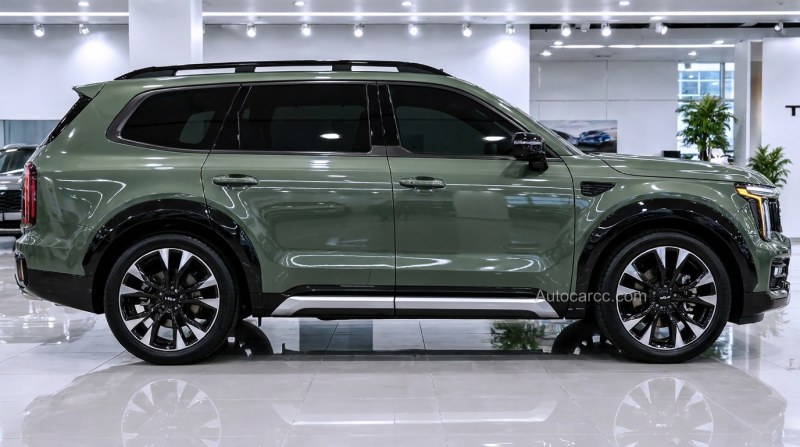
The first side-view image presents the SUV from a perspective that is especially useful for understanding its overall proportions. Unlike a front close-up, the side profile brings the front body, passenger cabin, and rear section into a single composition.
Side proportions are important for a three-row SUV because the vehicle must visually accommodate a large interior without appearing unbalanced. The relationship between the roofline, wheelbase, body height, and front and rear overhangs influences how the vehicle is perceived.
Wheel placement also plays a major role in the design. Even when the styling is primarily focused on luxury and comfort, the position of the wheels relative to the body can affect the impression of stability and road presence.
This side-view study provides a broader perspective on the Telluride’s exterior identity and the balance between its major design sections.
Side Body Design and Exterior Styling
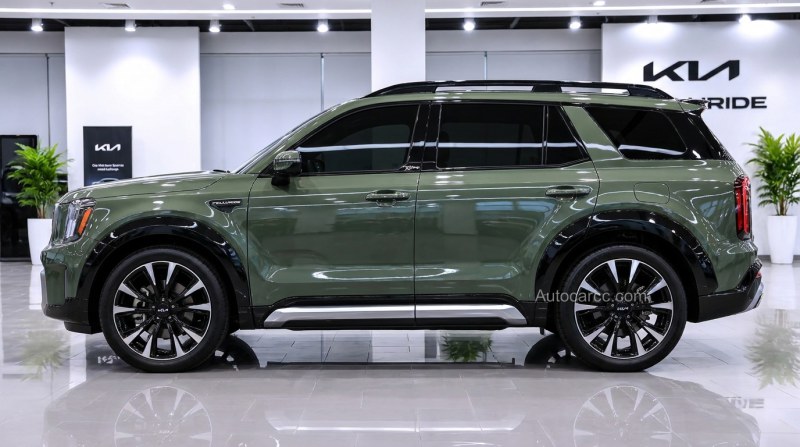
The second side-view image complements the previous perspective by continuing the examination of the vehicle’s body design. Multiple views are valuable in automotive presentation because they help readers understand the relationship between major surfaces and the overall silhouette.
The side of an SUV includes several important styling regions. The window area defines the upper cabin, while the doors, wheel arches, and lower body establish the visual structure beneath it. These sections should feel connected, with transitions that support the vehicle’s overall character.
For the Telluride concept, the side-profile presentation is an important part of the gallery because it helps communicate the design as a complete vehicle rather than a collection of individual front-end details.
Rear Exterior Design and Tailgate Styling
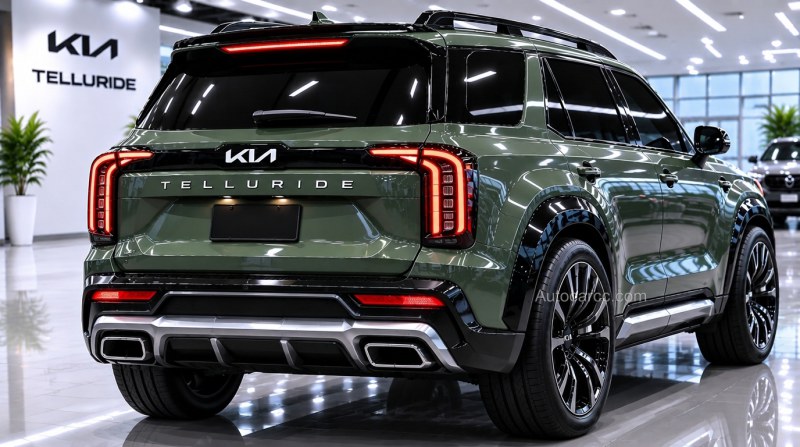
The rear view completes the exterior presentation by focusing on the back of the SUV. This area brings together the tailgate, rear lighting, bumper, and surrounding body surfaces. Their arrangement determines how the vehicle’s design identity continues beyond the front and side profiles.
For a large SUV, the rear should communicate a sense of width and stability while accommodating the practical requirements of a spacious passenger vehicle. The relationship between the upper tailgate and lower bumper is particularly important in establishing a balanced appearance.
Rear styling also needs to complement the vehicle’s overall design language. A strong front end and carefully proportioned side profile are most effective when the rear feels equally considered. This image provides the final exterior perspective before the gallery moves inside the cabin.
Modern Interior Design and Driver’s Cockpit
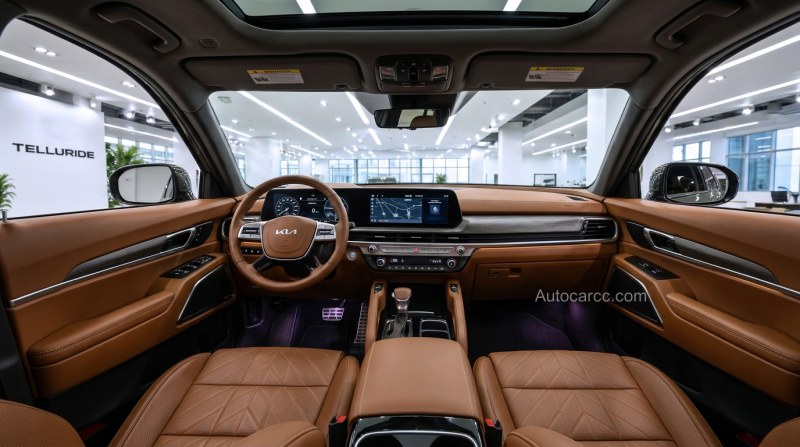
The first interior image introduces the driving environment of the Telluride concept. The dashboard is one of the most important areas of a modern vehicle interior because it brings together driving information, controls, technology, and the surfaces that occupants interact with every day.
A well-designed cockpit should provide a clear relationship between the driver’s position and the main control areas. Instrument placement, display integration, dashboard proportions, and the arrangement of frequently used functions all contribute to the perceived quality of the cabin.
In a premium family SUV, comfort and practicality are as important as appearance. A modern interior should feel welcoming and organized, with technology incorporated in a way that supports the driving experience rather than overwhelming it.
This cockpit visualization explores those design priorities as part of the wider Telluride project. Illustrated controls and displays remain conceptual rather than confirmed production equipment.
Dashboard Layout and Interior Details
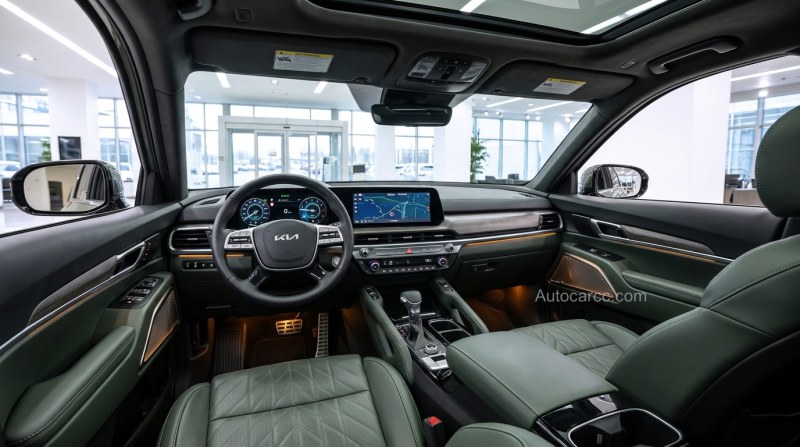
The second interior rendering provides another perspective on the dashboard and cockpit. This view continues the discussion of how major interior elements can be arranged to create a cohesive driving environment.
Dashboard architecture has a strong influence on the character of a vehicle’s cabin. Horizontal and vertical proportions, the relationship between instruments and central controls, and the overall distribution of surfaces can make an interior feel spacious, technical, or luxurious.
Modern vehicle interiors also need to accommodate different types of interaction. Drivers require accessible information and intuitive controls, while passengers benefit from a comfortable environment that feels carefully designed.
As part of this independent concept, the interior rendering illustrates a possible design direction rather than a confirmed Kia equipment package. The image contributes to the gallery by extending the vehicle’s styling identity into the passenger compartment.
Engine Bay and Mechanical Design
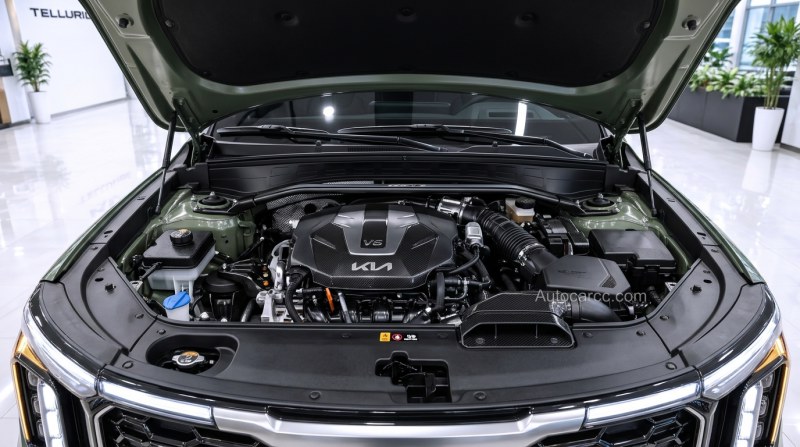
The final image turns attention toward the engine compartment. While exterior and interior design are the most visible parts of an automotive concept, the mechanical area offers another dimension to the overall presentation.
An engine bay includes numerous components that must be arranged around packaging, cooling, serviceability, and safety requirements. In an actual production vehicle, these details are determined through extensive engineering development and validation.
The engine compartment illustrated in this gallery is a conceptual visualization. It should not be used to identify the precise mechanical components, engine configuration, or engineering layout of Kia’s production Telluride.
Nevertheless, including this image gives the gallery a broader automotive focus, moving beyond exterior styling and interior design to acknowledge the mechanical side of vehicle development.
2027 Kia Telluride Production Model and Engine Specifications
The 2027 Kia Telluride is an official second-generation SUV introduced by Kia in November 2025. The production model builds on the Telluride’s established position in the three-row SUV market, with updated styling, interior technology, and available powertrains.
For the United States market, the official Telluride lineup includes a 2.5-liter turbocharged gasoline engine producing 274 horsepower. Kia also offers a 2.5-liter turbo-hybrid system with a combined output of 329 horsepower.
The production vehicle is designed to accommodate up to eight occupants, depending on configuration. Kia offers several trim levels, including X-Line and X-Pro versions that place additional emphasis on rugged styling and capability.
The X-Pro variant features increased ground clearance compared with more road-oriented configurations. These differences allow the official Telluride lineup to address a range of customer preferences, from family transportation to more adventure-focused driving.
These specifications refer exclusively to Kia’s real production vehicle. The exterior, interior, and engine images presented in this article are part of a separate independent design project and do not establish the equipment or performance of the illustrated concept.
Design Philosophy Behind the Telluride Concept
The purpose of this concept is to explore how an established SUV can be interpreted through an alternative visual direction. Rather than changing the Telluride into a completely different vehicle category, the project examines the major elements that define the appearance of a modern three-row SUV.
Exterior design begins with proportions. The relationship between the hood, cabin, wheels, and rear body establishes the vehicle’s basic character before smaller details are considered. From there, the front grille, surrounding surfaces, and other exterior features contribute to a more recognizable identity.
The side profile provides an opportunity to evaluate how those individual elements work together. A vehicle may have an attractive front fascia, but its overall appearance also depends on the balance of its body length, cabin height, and rear proportions.
Interior design introduces additional considerations. A modern SUV should offer a comfortable driving environment, clear access to essential controls, and a dashboard layout that feels consistent with the exterior character.
By presenting the Telluride from multiple exterior and interior perspectives, this gallery explores the relationship between those design priorities. The result is a complete visual study rather than a single isolated styling illustration.
Why the Kia Telluride Remains an Interesting SUV Design Subject
The Kia Telluride occupies an important position in the modern three-row SUV segment. Its combination of passenger capacity, road presence, and contemporary styling makes it a suitable subject for automotive design exploration.
Large SUVs present an interesting challenge because they must balance several competing priorities. They need sufficient interior space for passengers and luggage, but their exterior proportions should still feel coordinated. They also need a recognizable design identity without sacrificing the practical requirements of everyday transportation.
The Telluride provides a useful starting point for examining these relationships. Its established nameplate identity allows designers to explore different styling approaches while retaining a clear connection to the large family SUV category.
Independent automotive concepts are particularly useful for this type of exploration. They allow alternative design directions to be presented visually, encouraging discussion about proportions, styling, interior arrangements, and the overall character of a vehicle.
Final Thoughts on the 2027 Kia Telluride Concept
This 2027 Kia Telluride Concept gallery presents 11 images covering the vehicle’s exterior styling, front grille, hood, side profiles, rear design, cockpit, dashboard, and engine compartment.
Each section contributes to a broader understanding of the design, moving from the overall exterior toward individual styling areas and the driving environment. Together, the images form an independent interpretation of Kia’s three-row SUV.
The real 2027 Kia Telluride is an official production model, but the vehicle shown in this gallery represents a separate creative project. Its purpose is to explore design possibilities rather than announce new factory specifications or future production plans.
Which part of this Telluride design would you choose as its strongest feature: the front exterior, grille, side profile, rear styling, or interior dashboard?
Disclaimer: The vehicle images featured in this article are independently created AI-assisted automotive concept renderings. They are not official Kia photographs, manufacturer-approved designs, or confirmed production specifications. References to the official 2027 Kia Telluride are provided for background information only. This independent project is not affiliated with or endorsed by Kia Corporation.